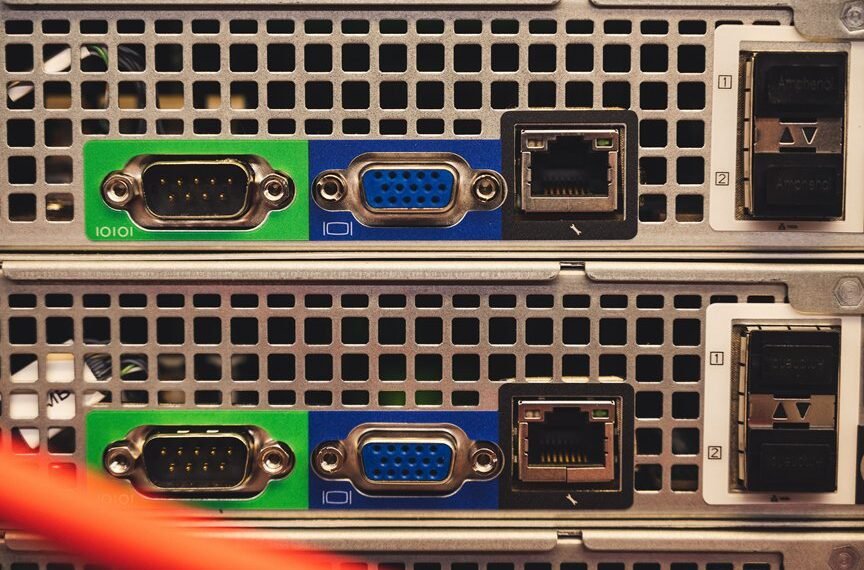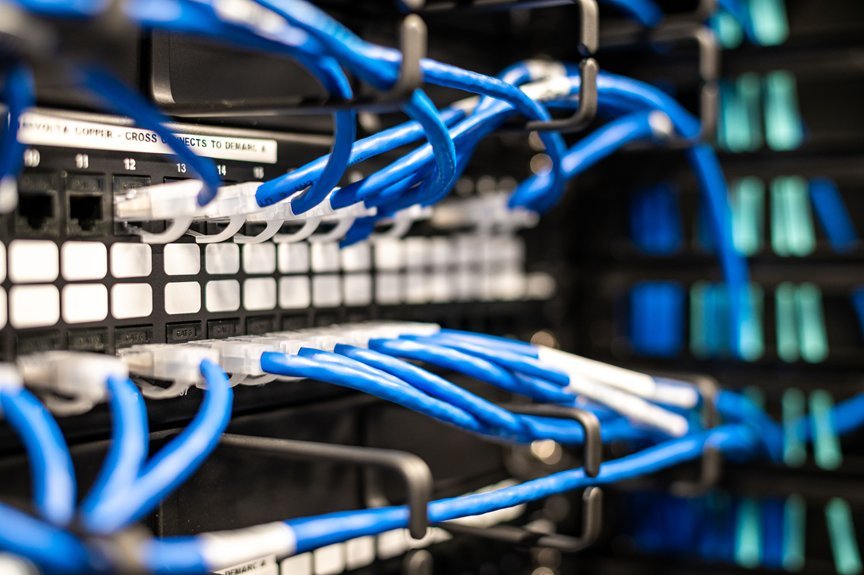
The 10.10.8 Private Network serves as a non-routable space for internal communications, with clear subnet, gateway, and change-management discipline. The guide outlines step-by-step IP allocation, DHCP scope decisions, and centralized logging to minimize drift. It addresses device hardening, access controls, and controlled remote sessions, tying these to continuous auditing and data privacy. Practical implementations await—follow the established patterns to assess exposure, plan scalable growth, and identify gaps before deployment.
What Is the 10.10.8 Private Network, and Why It Matters
The 10.10.8 private network refers to a designated IPv4 address space reserved for internal, non-routable use within organizations, enabling isolated internal communication without exposure to the public Internet.
This framework supports private addressing, guiding subnet planning and remote access strategies while enabling hardening and troubleshooting to ensure secure, resilient connectivity and controlled exposure across internal services.
How to Assign IP Addresses, Subnets, and Gateways (Step-By-Step)
Assigning IP addresses, subnets, and gateways follows a structured sequence to ensure consistent network topology and reliable routing.
The process emphasizes IP assignment and subnetting discipline, aligning address plans with traffic patterns and scale.
Gateway configuration is documented, with explicit access controls.
Clear role separation and reserved addresses safeguard stability, while centralized change logging supports audits and freedom to evolve topology confidently.
DHCP Considerations, Device Hardening, and Access Controls
DHCP considerations, device hardening, and access controls build on the prior IP assignment framework by addressing dynamic address provisioning, secure device configurations, and restricted management paths.
The section outlines dhcp considerations for lease scope, renewal windows, and conflict mitigation, alongside consistent device hardening practices, including baseline configurations, firmware hygiene, and credential discipline.
Access controls enforce least privilege while preserving operational freedom.
Remote Access, Troubleshooting, and Security Best Practices
Remote access and troubleshooting must balance remote operability with robust security controls. The guide emphasizes controlled remote sessions, role-based access, and continuous verification. Security auditing ensures traceable activity, while data privacy measures protect sensitive information. Cloud integration enables scalable access and centralized monitoring. Clear user onboarding reduces errors; documented procedures, incident response, and regular credential reviews sustain resilient, freedom-respecting network posture.
Frequently Asked Questions
Can 10.10.8 Be Used for Guest Networks?
Yes, 10.10.8 can be used for a guest network. The author notes guest network deployment requires clarity on security considerations, traffic segregation, and policy enforcement to preserve network integrity and user freedom while mitigating risk.
How to Migrate Devices From Public to 10.10.8?
Migration plan coordinates asset movement away from public networks; device inventory is compiled, migration timing scheduled, and firmware updates applied prior to cutover. The approach emphasizes controlled, auditable transitions while preserving user autonomy and network resilience.
Are There Audit Requirements for 10.10.8 Traffic?
As for audit requirements, they exist in principle but are context-dependent; access controls, traffic logging, and retention policies should be defined. The system enforces these, balancing transparency and freedom while maintaining technical precision and compliance.
What Are Backup IP Address Strategies in This Network?
Backup IP strategies emphasize redundancy and scalability: implements backup routing with preconfigured failover paths and dynamic rerouting, while ensuring IP scalability through scalable addressing plans, route summarization, and centralized policy management for seamless, autonomous traffic continuity.
How Does 10.10.8 Interact With VPNS and Saas?
The interaction with VPNs is tightly controlled, enabling secure tunnels while ensuring SaaS integration remains seamless; concurrent with guest networks, migration from public exposure occurs, audit requirements are satisfied, and backup IP strategies support resilient, compliant operation.
Conclusion
The 10.10.8 private network framework delivers disciplined IP planning, centralized logging, and minimized broadcast domains to support scalable, secure internal communication. By standardizing IP assignments, DHCP scope, and gatekeeping, it reduces misconfigurations and accelerates recovery. Despite objections about perceived rigidity, the approach ultimately enhances resilience and data privacy, enabling precise access controls and auditable remote sessions. Embracing these controls yields predictable performance, faster incident response, and greater confidence in ongoing network operations.