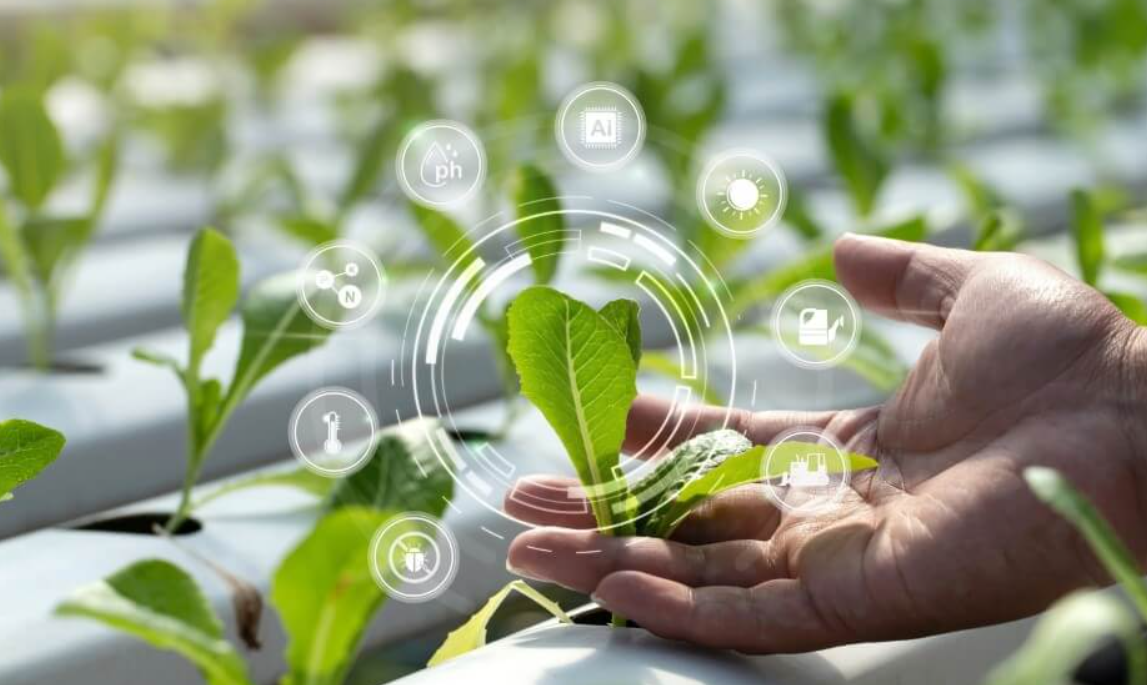
The integration of technology in agriculture marks a significant shift in farming practices. Precision farming techniques allow for targeted management of crops, while drones provide crucial aerial insights. Smart irrigation systems enhance water efficiency, addressing resource scarcity. Additionally, the use of genetically modified organisms (GMOs) raises questions about sustainability and food security. As these innovations continue to evolve, the implications for future agricultural practices warrant closer examination. What challenges and opportunities lie ahead?
Precision Farming: Enhancing Crop Management
As technology continues to evolve, precision farming has emerged as a transformative approach to crop management, enabling farmers to optimize yields through data-driven decisions.
By integrating crop sensors and advanced soil mapping techniques, farmers can monitor field variability and make informed choices.
This innovative methodology not only enhances productivity but also promotes sustainable practices, fostering a liberated agricultural landscape that prioritizes both efficiency and environmental stewardship.
See also: Technology Challenges in the Modern World
Drones and Aerial Technology in Crop Monitoring
Drones and aerial technology have revolutionized crop monitoring by providing farmers with unprecedented insights into their fields.
Through innovative drone applications, farmers can utilize aerial imaging to assess crop health, identify pest infestations, and optimize resource allocation.
This technology empowers farmers to make data-driven decisions, enhancing productivity and sustainability while granting them greater autonomy in managing their agricultural practices.
The Role of Genetically Modified Organisms (GMOs)
While debates surrounding the use of genetically modified organisms (GMOs) continue to evolve, their role in modern agriculture remains pivotal.
GMOs offer numerous benefits, such as increased crop yields and resistance to pests, thereby enhancing food security.
However, GMO controversies persist, primarily concerning environmental impacts and health concerns.
Ultimately, understanding both sides is essential for informed decisions about the future of agricultural practices.
Smart Irrigation Systems for Water Efficiency
Smart irrigation systems represent a transformative approach to enhancing water efficiency in agriculture, particularly as global water scarcity becomes an increasingly pressing issue.
Utilizing automated sensors, these systems optimize water usage by delivering precise irrigation based on real-time soil conditions. This innovation not only promotes water conservation but also empowers farmers to make informed decisions, ultimately fostering sustainable agricultural practices and enhancing productivity.
Conclusion
In the evolving landscape of agriculture, technology serves as the compass guiding farmers through the complexities of crop management. Just as a seasoned sailor relies on advanced navigation tools to chart a course through turbulent waters, farmers harness precision farming and smart irrigation systems to navigate the challenges of climate change and resource scarcity. With each innovation, they cultivate not only their fields but also a sustainable future, ensuring that agriculture thrives like a well-tended garden in a changing world.