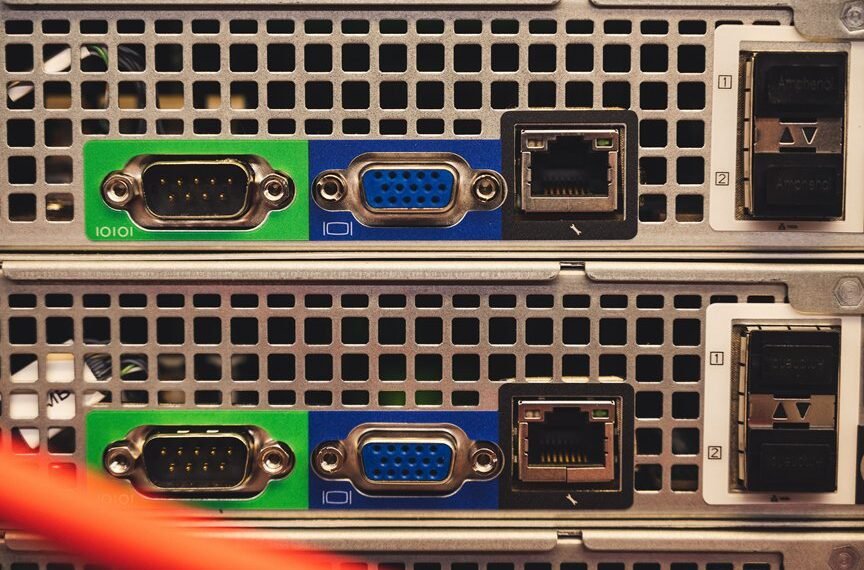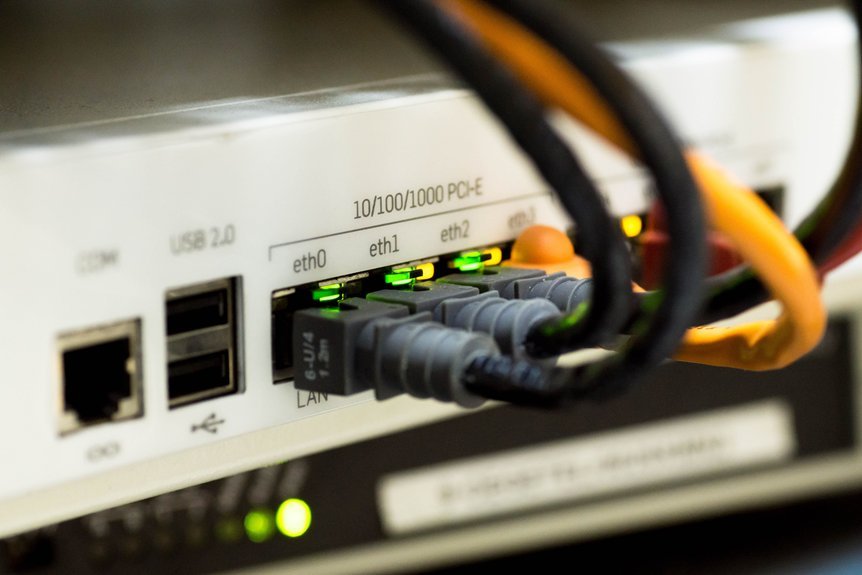
The guide on 168.1.167 router login and network management presents a clear path to secure admin access and stable performance. It outlines steps for connecting devices, authenticating on the admin panel, and reviewing firewall rules. Emphasis is placed on strong passwords, current encryption, and strict access control. Network management covers QoS, guest isolation, and scalable operation with ongoing firmware updates. It concludes with concise troubleshooting and documented changes, inviting further examination to ensure ongoing security and efficiency.
Accessing the 168.1.167 Admin Panel
Accessing the 168.1.167 Admin Panel involves connecting a device to the router’s network and opening a web browser. The procedure emphasizes stable access credentials, entered at the login page, to preserve control. After authentication, administrators review firewall rules, verify network segmentation, and confirm firmware updates, ensuring streamlined management while maintaining freedom and visibility across the connected environment.
Secure Your Network: Passwords, Encryption, and Access Control
To protect the router and connected devices, implement strong, unique passwords for all admin and user accounts, enable WPA3 or the latest available encryption for wireless networks, and enforce strict access controls that limit login attempts and essential services to authorized personnel only.
This posture supports privacy awareness and timely firmware updates, ensuring resilient defenses without unnecessary complexity or risk.
Manage Devices and Performance: Monitoring, QoS, and Guest Access
Effective management of a router’s devices and performance centers on proactive monitoring, prioritized traffic, and guest access controls. The approach preserves freedom while maintaining order: monitoring identifies usage patterns; QoS enforces service levels; guest networks isolate devices without hindering core functions. Careful configuration avoids unrelated topic drift and off topic ideas, ensuring scalable, secure, and reliable network performance.
Troubleshooting and Maintenance: Common Issues and Quick Fixes
Troubleshooting and maintenance begin with a systematic approach that builds on baseline management practices discussed previously. The guide outlines common issues such as intermittent connectivity, slow speeds, and device conflicts, with concise fixes. It emphasizes documenting changes, verifying connection stability after adjustments, and applying firmware updates promptly. Clear steps prioritize minimal downtime while preserving security and reliable network performance.
Frequently Asked Questions
Can I Restore Factory Settings Without Losing Firmware?
Yes, it is possible, but not guaranteed; performing a factory reset will typically erase configurations while preserving firmware in many devices, depending on the model. Ensure firmware compatibility remains intact after restoration of defaults.
How to Reset Admin Password if Forgotten?
“Forgot password,” the administrator can perform a factory reset to regain access, erasing custom settings but preserving firmware. After reset, use default credentials; then reconfigure security, and update with strong, unique admin password to restore control.
Is There a Mobile App for Router Management?
Yes, a mobile app exists for router management, enabling on-the-go control. It supports cloud management, offering centralized settings, monitoring, and updates, while prioritizing security and convenient access for users seeking flexible, independent network oversight.
Can I Schedule Automatic Reboots for Maintenance?
Nearly 60% of networks experience downtime without maintenance automation. Yes, reboot scheduling is possible, enabling automatic restarts during off-peak hours. This supports maintenance automation, reduces manual effort, and improves long-term stability while preserving user freedom and control.
How to Backup and Restore Router Configuration?
The user can backup settings by exporting the router’s configuration file, then restore from backup by importing that file into the device. This process preserves customized parameters while allowing quick recovery after changes or failures.
Conclusion
In complete confidence, the guide promises effortless control over 168.1.167, a fortress able to distinguish friend from gadget in a blink. And yet, the brave reader discovers the real magic: passwords that multiply like rabbits, firmware updates that arrive just in time to test patience, and QoS rules so exact they whisper, “Relax.” Still, the admin smiles, typing away, certain that every brisk reboot, every secure ping, is merely a small performance warranty for network bliss. Irony seals the deal.