168.0.1 is an IPv4 unicast address used to identify a device on a local network. It sits within private-like considerations for routing and network segmentation in typical home or small-office setups. The guide outlines how to verify ownership and access, with a focus on secure login procedures and auditable sessions. It establishes a careful, structured approach to troubleshooting and privacy, and it points to practical steps that may reveal deeper network dependencies worth exploring further.
What Is 168.0.1 and Where Does It Sit in IP Addressing
The IP address 168.0.1 represents a specific numerical label used within Internet Protocol addressing to identify a device on a network. It is positioned within the IPv4 structure as a unicast address, contributing to routing decisions and network segmentation.
168.0.1 context is essential for understanding address allocation, while the IP neighborhood clarifies neighboring addresses and potential routing relationships.
How to Verify if 168.0.1 Is Yours and What Login Access You Need
Determining ownership of the 168.0.1 address involves confirming its assignment on the local network and verifying the corresponding device’s login credentials. The process includes checking DHCP or static mappings, cross-referencing device names, and validating access rights.
verify ownership is established through network inventory records, while login permissions determine whether authorized users can configure settings without exposing sensitive data.
Safe Ways to Access Router and Device Login for 168.0.1
Access to the 168.0.1 router and connected devices must follow locked-down procedures that verify identity, isolate management traffic, and minimize exposure. The methodical approach favors minimized attack surfaces, controlled access channels, and auditable sessions.
Users prioritize safe router configurations and practice login privacy by enforcing strong, unique credentials, routine updates, and segmented networks, ensuring resilient administrative controls for freedom and security.
Troubleshooting Common Login Issues and Privacy Tips for 168.0.1
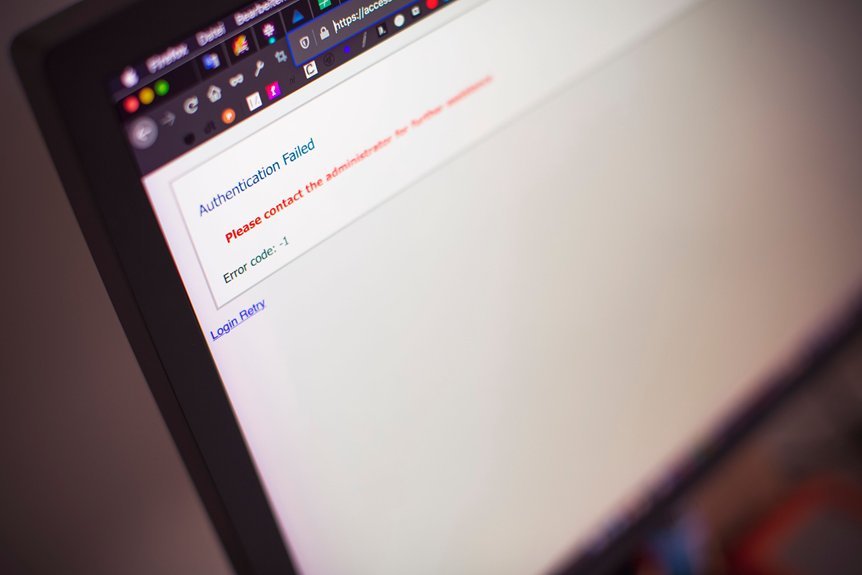
Common login issues with 168.0.1 commonly arise from misconfigurations, outdated credentials, or conflicting security settings, making a structured troubleshooting approach essential.
The analysis emphasizes password policies, ensuring unique, rotated credentials; device encryption, safeguarding stored tokens; and disciplined privacy tips, limiting exposure.
Systematic login troubleshooting identifies misapplied rules, enforces clean sessions, and documents changes for transparent, freedom-respecting security practices.
Frequently Asked Questions
Can 168.0.1 Be Used as a Public IP for Home Networks?
The answer: 168.0.1 cannot serve as a public IP for home networks; it is reserved for private/internal use. From a detached vantage, IP address security and network scanning ethics guide cautious, structured experimentation and responsible allocation.
Is 168.0.1 Reserved for Any Special Services?
Two word discussion ideas: reserved services, address allocation. No, 168.0.1 is not officially reserved for special services as a public IPv4; it appears as a private-like or non-routable address in certain contexts, with no formal allocation.
How Do I Change Default Credentials on Devices With 168.0.1?
The answer is: To change defaults, devices with 168.0.1 require accessing admin settings and updating credentials. This method enhances device security, proceeding systematically to disable defaults, configure unique usernames, and enforce strong passwords for ongoing protection.
Are There Legal Considerations When Accessing 168.0.1 Devices?
There are legal considerations when accessing 168.0.1 devices; one must maintain IP scanning discipline, uphold legal awareness, and follow security best practices, ensuring authorization, avoiding unauthorized access, and documenting actions to protect personal and organizational rights.
What Privacy Risks Are Associated With 168.0.1 Scanning?
Like a careful sensor, the analysis notes privacy risks during 168.0.1 scanning, including login exposure and device discovery concerns; scanning legality varies, yet responsible practices minimize data exposure and preserve user freedom while respecting boundaries and consent.
Conclusion
In summary, understanding 168.0.1 within the broader IPv4 landscape clarifies ownership, scope, and access boundaries. A disciplined verification process—checking DHCP/static mappings, device names, and router login credentials—reduces risk and accelerates troubleshooting. Access should be protected by auditable sessions, strong passwords, and encrypted channels. Safely diagnosing issues is like navigating a controlled facility: precise steps, documented evidence, and minimal exposure keep operations moving smoothly while preserving privacy and integrity.