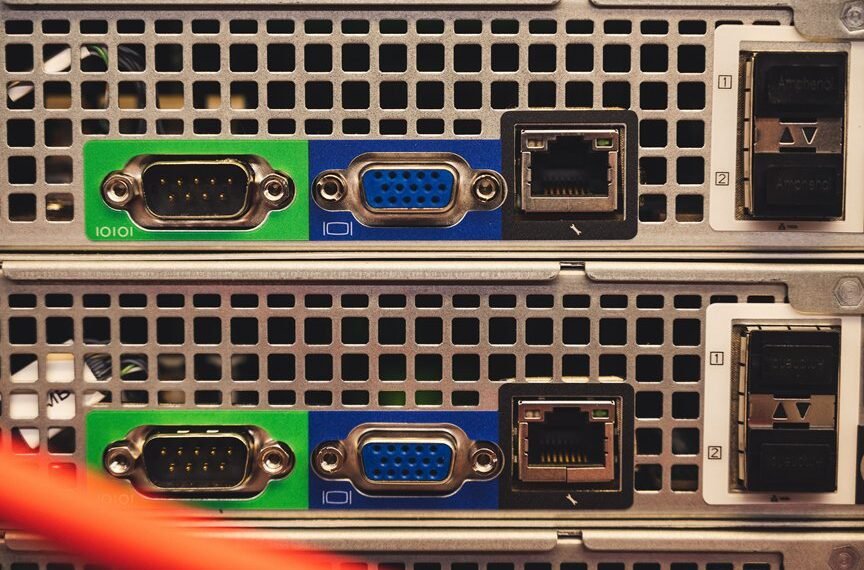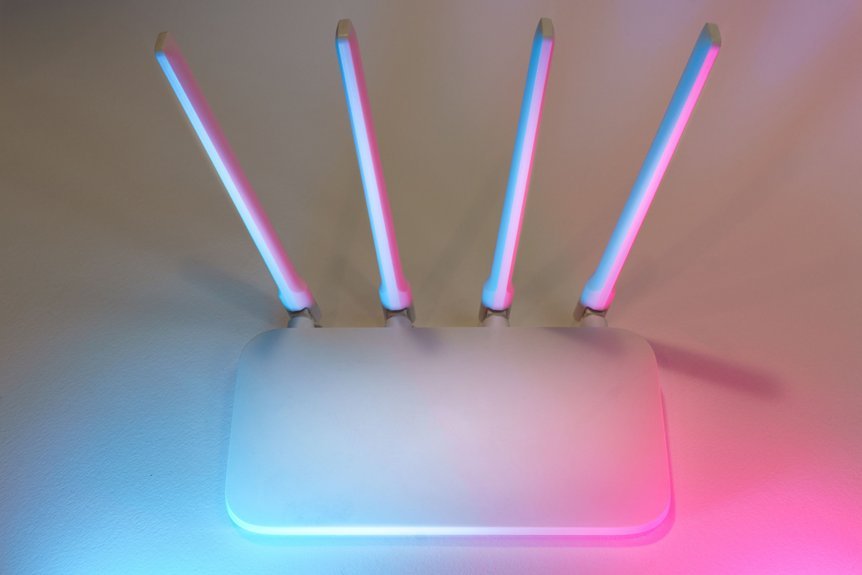
Setting up the 168.0.250 router centers on validating the device’s default gateway and secure access path. The process begins with confirming http(s) access to 168.0.250 and preparing a unique admin credential with MFA if available. Next, Wi‑Fi must be deployed with strong encryption and a precise DHCP scope, while remote administration remains disabled. Security hardening, firmware updates, and clear recovery procedures are essential, yet gaps often appear in initial credentials and logging configurations—gaps that will demand careful, final checks.
Identify the 168.0.250 Router’s IP and Access Method
To identify the 168.0.250 router’s IP and access method, the reader should start by confirming the device’s default gateway. Technical assessment proceeds with network scanning and LAN topology awareness, avoiding guesswork. Discovery quirks may reveal alternate addresses. Precise documentation of subnets and gateway routes ensures reliable access, supporting freedom to manage configurations without ambiguity or delay.
Log In Securely and Set a Strong Admin Password
Access to the router’s management interface should be secured immediately after locating the device and confirming the default gateway. Log in using a unique administrator account and a strong password, avoiding defaults. Enable multi-factor if available, disable remote admin, and rotate credentials periodically. Idea One and Topic Two guide disciplined password practices, defending against intrusion with concise, auditable procedures.
Configure Wi‑Fi and Basic Network Essentials
Configuring Wi‑Fi and establishing core network settings involves enabling a secure wireless broadcast, selecting an appropriate security protocol, and defining the network’s fundamental parameters.
The procedure emphasizes network basics and efficient wifi setup, ensuring stable SSID, channel, and bandwidth choices.
It specifies router mode, DHCP scope, and guest access policy, delivering predictable, auditable connectivity without unnecessary customization or ambiguity.
Harden Security, Update Firmware, and Troubleshoot Common Issues
Ensuring robust security, timely firmware updates, and effective issue resolution is essential for maintaining a reliable router environment. The approach emphasizes security auditing, disciplined password hygiene, and predefined recovery paths, including firmware rollback when necessary.
Implement parental controls to constrain exposure, monitor anomalies, and log events.
Consistent baseline configurations, credential rotation, and targeted troubleshooting reduce risk and preserve operational integrity.
Frequently Asked Questions
How to Back up Router Settings Before Changes?
A professional notes that to back up settings, one should export the router configuration file and save it securely, ensuring router security; enable parental controls and guest network safeguards while preserving a stable baseline for rapid recovery.
Can I Reset to Factory Defaults Without Losing WAN Settings?
To answer briefly, yes, a factory reset may disrupt WAN continuity unless a backup or snapshot preserves WAN settings. Reset defaults erases passwords; perform a password reset, then apply firmware updates to restore connectivity and security.
How to View Connected Device List in Real-Time?
To view connected devices in real-time, access the router’s admin interface, Network Map, or device list, then enable live monitoring. This supports network security by logging entries; perform firmware updates to maintain accuracy and security posture.
What Parental Controls Options Are Available and How to Enable?
Parental controls include time schedules, content filters, site whitelists/blacklists, and device pause options; enabling occurs via the admin panel. The guidance emphasizes avoiding parsing errors and unrelated topics, maintaining precise, technical language for an audience seeking freedom.
How to Set up Guest Network With Separate Password?
“Safety first,” though, the guest network requires enabling the feature, creating a separate SSID with a separate password, and applying parental controls to limit access; this ensures guest network isolation while preserving control and freedom of the main network.
Conclusion
The administrator has established a secure, resilient baseline for the 168.0.250 router, ensuring authenticated access, strong credentials, and current firmware. Network segmentation, WPA3 protection, and guest access are in place, with logging and audits enabled to monitor activity. Regular credential rotation and disabling of unnecessary services reinforce the defense. This configuration stands firm like a lighthouse in a storm, guiding secure connectivity while minimizing exposure to threats and preserving uptime.