The 0.0.134 Router Network Configuration Guide presents a structured, vendor-neutral approach to secure, reliable networking. It outlines boot and initial access, quick LAN setup, and a clear IP plan, followed by VLANs, QoS, and firewall basics suitable for homes and small offices. It emphasizes repeatable configurations, auditable changes, and robust monitoring to detect latency and bottlenecks. A disciplined troubleshooting workflow and documented rollback steps are central, leaving the reader with a practical impetus to proceed and verify each phase.
How to Boot and Secure the 0.0.134 Router for First Use
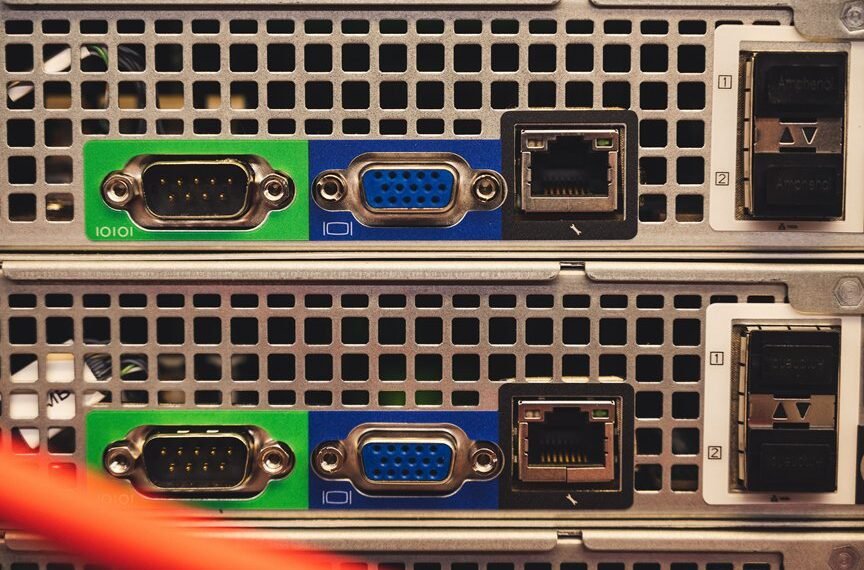
To boot the 0.0.134 router for first use, begin by connecting the device to a power source and to a computer or network switch via an Ethernet port. The sequence reinforces boot security, establishes initial access, and assigns vlans qos. Monitor status, configure firewall basics, and prepare for troubleshooting; document common failure fixes for rapid recovery.
Quick LAN Setup: IP Schemes, DHCP, and Device Access
Effective LAN setup begins with a clear IP plan, defined DHCP scope, and controlled device access.
The quick lan approach assigns non-overlapping ip schemes, ensuring predictable routing and simplified troubleshooting.
DHCP configuration pins lease durations and reservation strategies, balancing availability with stability.
Device access policies specify authentication, MAC filtering, and monitoring, enabling secure, flexible connectivity while preserving user autonomy and network performance.
Implementing VLANS, Qos, and Firewall Basics for Home/Small-Office
Implementing VLANs, QoS, and firewall basics for a home or small-office network establishes the foundational segmentation, traffic prioritization, and access control essential for predictable performance and security. The approach enumerates VLAN segmentation strategies, maps access rules, and configures QoS prioritization to guarantee critical services. It emphasizes repeatable, auditable configurations, vendor-neutral principles, and disciplined changes without introducing unnecessary complexity.
Monitoring, Troubleshooting, and Common Failure Fixes
Monitoring, Troubleshooting, and Common Failure Fixes focuses on systematic methods to observe network behavior, diagnose anomalies, and implement durable remedies. The section describes structured monitoring latency assessment, pinpoints bottlenecks, and validates results after changes.
Troubleshooting caches are isolated, log-driven, and reproducible. Diagnostic workflows emphasize repeatable tests, documented steps, and rollback plans to preserve continuity while applying resilient fixes.
Frequently Asked Questions
How to Backup and Restore Router Configurations Beyond Default Presets?
To backup configurations, one should export current router settings to a secure file, then store offline. For restore presets, import the file, verify integrity, and apply. Enable remote management cautiously; review VPN options for encrypted access.
Can I Clone a WAN Configuration From Another Router Model?
Cloning a WAN from another router model is not reliably supported; cross model compatibility varies. Backup restore unknowns exist, but logs storage USB and remote management risks should be weighed. Consider advanced VPN options for safer, controlled deployment.
What USB or External Storage Features Are Supported for Logs?
USB logging and external storage are supported for logs; devices may write to connected storage or network shares. Backup configurations and restore presets can be created to preserve logs and system states for recovery and auditing.
How to Enable Remote Management Without Exposing WAN Security Risks?
Why risk exposure when remote access can be controlled? The guide recommends layered authentication, IP allowlists, and VPN tunnels; disable WAN administration by default, enable remote access only through a secure management network, and verify firmware security before deployment.
Are There Advanced VPN Options Beyond Basic Firewall and Qos Settings?
Yes, advanced VPN options exist beyond basic firewall and QoS. The system leverages split tunneling, multi-path routing, and device-aware VPN profiles; firewall rules enforce granular access control, while encryption, peer authentication, and regular key rotation reinforce end-to-end security.
Conclusion
The guide presents a precise, methodical blueprint for consistent deployment: boot securely, access calmly, configure predictably. It emphasizes repeatable IP schemes, disciplined VLAN and QoS implementation, and sound firewall basics. Monitoring remains continuous, troubleshooting systematic, and fixes durable. Change management, rollback plans, and auditable steps anchor every action. By documenting steps, validating outcomes, and standardizing procedures, operators achieve reliable performance, minimize recurrence, and ensure auditable compliance. In sum, disciplined configuration yields resilient networks.