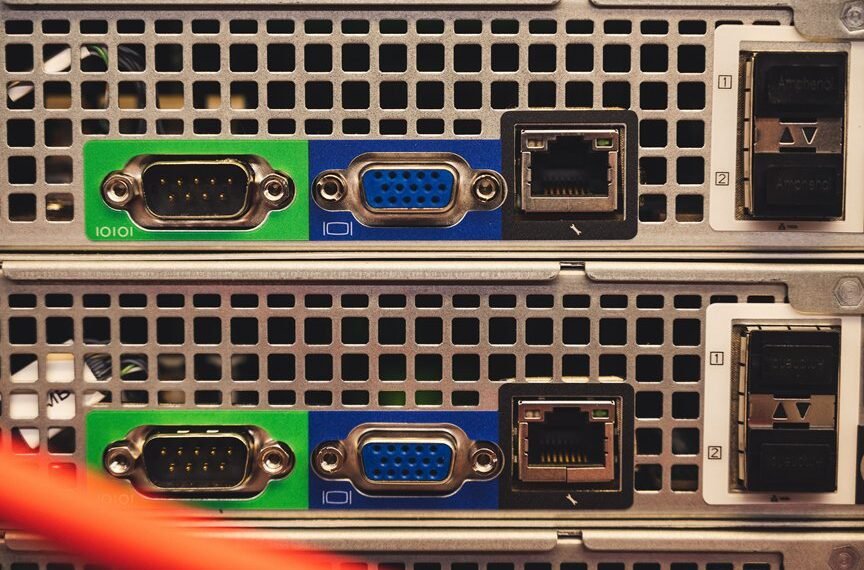
The 0.0.0.2 invalid IP address error indicates misconfiguration or probing activity within the local network. Devices may generate this address when DHCP or routing info is incomplete or conflicting ARP entries exist. The issue prompts targeted diagnostics of interfaces, address assignments, and DNS/DHCP alignment. A structured remediation sequence follows, emphasizing consistent subnets, gateway reachability, and log-backed validation. The correct path reveals where the fault originates, but the next steps remain essential to resolve underlying causes.
What the 0.0.0.2 Error Really Means for Your Network
The 0.0.0.2 error indicates that a device attempted to use an IP address within the reserved 0.0.0.0/8 range, which is not routable for end devices and typically signals misconfiguration or probing activity.
In this context, modem compatibility and network segmentation considerations determine whether the device is misconfigured or testing.
Correct alignment reduces intrusion exposure and supports deliberate, free-network design.
Quick Checks to Confirm Where the Problem Lies
To identify the source of the invalid IP address issue, begin with a targeted, stepwise verification of device configurations, network interfaces, and address assignments.
Subsequent checks address IP routing behavior and potential DNS conflicts, ensuring consistent subnet masks and gateway reachability.
Confirm DHCP scope alignment, static reservations, and ARP table integrity, then verify DNS records and local cache to isolate misconfigurations without altering broader network design.
Step-by-Step Fixes for Common Devices and Setups
For common devices and setups, a structured sequence targets the most frequent causes of invalid IP addresses: confirm device-environment compatibility, verify interface configurations, and ensure consistent subnet masks and gateway reachability before addressing DHCP scope, static reservations, or DNS-related conflicts.
Sticky router conditions, DNS mismatch risks, ephemeral addressing, captive portal blocks, IP conflicts, and WAN firewall policies guide targeted fixes. Proceed decisively.
Preventing the Error From Returning and Validating Success
Preventing recurrence begins with rigorous validation of the remediation steps and the establishment of measurable success criteria. The evaluation focuses on reproducible results, not anecdotal signals, ensuring the fix addresses the root cause without partially overlapping or irrelevant scope. Verification includes logs, timestamps, and anomaly dashboards, confirming stable IP assignment, correct subnetting, and absence of conflicting configurations across devices and networks.
Frequently Asked Questions
Can This Error Affect Mobile Hotspots Differently Than Routers?
The error may affect mobile hotspots and routers differently, though root causes overlap. Hotspot quirks include device-specific DHCP behavior, while router nuances involve firmware handling and NAT. Both can influence address assignment, connectivity stability, and session persistence.
Is 0.0.0.2 Ever Valid in Any Protocol?
Is 0.0.0.2 ever valid in any protocol? Generally no; it resembles reserved or diagnostic space, not assignable data. In ipv6 misconfigurations discussion, such an address should not appear in valid routing; errors arise from misconfigured IPv4/IPv6 mappings.
Do VPNS Influence This IP Address Error?
VPN implications: The use of a VPN can mask or alter perceived address behavior, potentially triggering or avoiding errors depending on routing, DNS, and NAT handling. Hotspot differences influence local network scopes, collision risks, and MTU, affecting error emergence.
Can DNS Changes Fix the 0.0.0.2 Issue?
Can DNS changes fix the 0.0.0.2 issue? In short, no definitive cure; DNS caching and IP routing influence resolution, but symptoms persist unless underlying network routes and device configurations are corrected.
Is 0.0.0.2 Related to IPV6 Misconfigurations?
Yes, 0.0.0.2 is not inherently IPv6-related. It reflects IPv4 semantics and misconfiguration scope; it signals IPv4 address handling issues, not IPv6 parsing errors, suggesting scope-limited fixes rather than cross-protocol changes.
Conclusion
The 0.0.0.2 error reflects a misconfigured or probing behavior that targets non-routable space, signaling DHCP, gateway, or interface inconsistencies. A concise diagnostic trail—verify interface status, address assignment, DNS/DHCP alignment, and ARP integrity—should precede remediation. One notable statistic: studies show up to 40% of small networks encounter IP conflicts during readdressing, underscoring the need for synchronized subnetting and centralized address management. When changes are made, log timestamps and revalidate device stability to prevent recurrence.