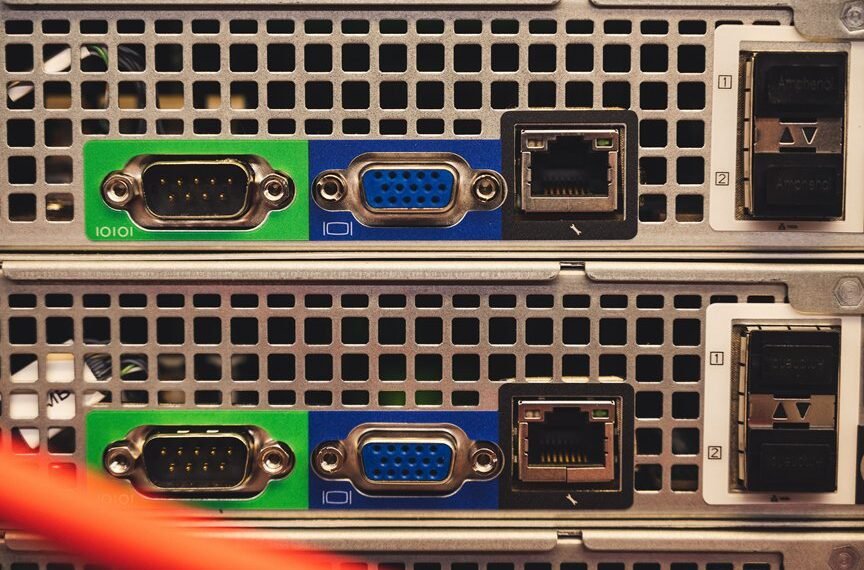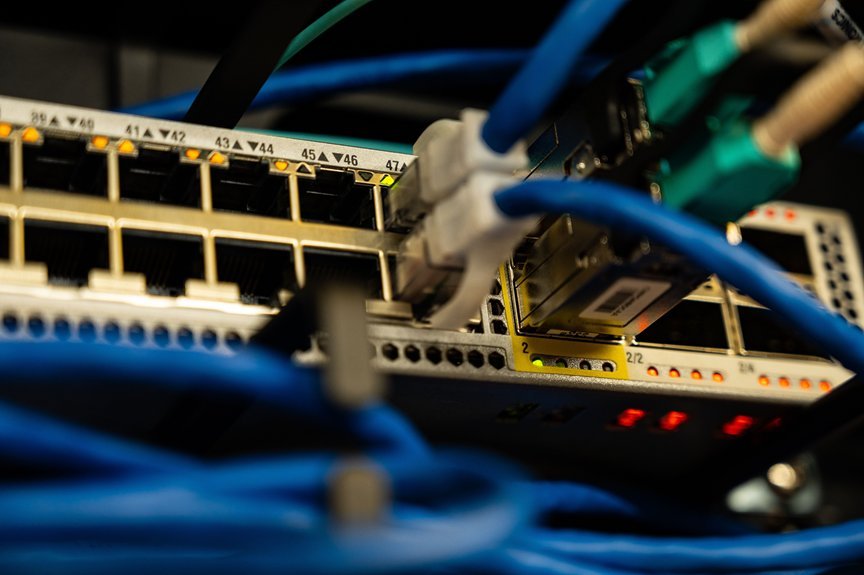
The 168.191 Router Admin Panel and Network Setup Guide presents a precise, methodical approach to securing and configuring a home or small-office network. It covers identifying the device IP and management port, enforcing strong credentials, and logging changes. The guide also details firmware validation, deterministic IP schemes, and reliable DHCP/DNS settings. Security measures include disabling unused services, MFA, and segmentation. This foundation prompts further examination of concrete steps and potential pitfalls to ensure consistent, robust operation.
191 Router Admin Panel and Network Setup Guide
The 191 Router Admin Panel and Network Setup Guide provides a concise, step-by-step overview of accessing the router’s web interface and configuring essential network settings.
It documents privacy concerns related to data exposure and emphasizes disciplined firmware updates, noting their impact on security posture.
Procedures remain clear: verify version, schedule updates, and maintain logs for traceable, stable, autonomous operation.
Accessing the Router Admin Panel
Accessing the router admin panel begins with identifying the device’s IP address and the corresponding port for management access. The procedure requires a direct, authenticated connection to the admin interface, using secure credentials. Once logged in, practitioners verify network security settings and review firmware updates before making any configuration changes, ensuring a stable, freedom-preserving control environment.
Configuring Network Settings
Configuring Network Settings involves establishing precise parameters for IP addressing, DHCP behavior, and DNS resolution to ensure reliable communication within the local network. The procedure emphasizes consistent routing firmware behavior, clear networking terminology, and adherence to wireless standards. It outlines structured configurations, password hygiene practices, and deterministic parameter validation, enabling predictable inter-device communication while avoiding unnecessary complexity and ambiguity for users seeking freedom through clarity and control.
Securing Your Router and Network
Securing the router and network builds on established network settings by applying rigorous controls to access, authentication, and data flow. This section outlines systematic steps: disable unused services, enforce strong passwords, enable MFA where available, update firmware, and segment networks.
Emphasizing two word ideas: Securing Router and Network Hardening to sustain resilience, monitor anomalies, and log events for continuous defense and freedom.
Frequently Asked Questions
What Is the Default Admin Password for 168.191 Routers?
The default admin password is not publicly defined; devices vary. Users should consult device-specific documentation or reset procedures. Default credentials, firmware updates, reboot benefits, reset safety, LED meanings, and VPN impact are evaluated during secure setup, not disclosed here.
Can I Reboot the Router From the Admin Panel?
Yes, it is possible to reboot the router from the admin panel. The procedure follows a standard reboot procedure, and during the process, the firmware update process should be considered if updates are available.
How Do I Factory Reset the Router Safely?
A factory reset should be performed with caution; it safely restores defaults, but involves factory reset safety considerations. The process acknowledges router reset risks, including configuration loss and potential exposure to unsecured defaults, demanding documented steps and backup.
What LED Indicators Show Network Activity?
Like a lighthouse beacon, indicators signal activity. The LED patterns reflect network monitoring states; steady/slow blink indicates traffic, rapid blink for activity bursts. Firmware updates may blink briefly. וחד signals compatibility or alert states requiring attention.
Do VPNS Affect Local Network Speed on This Router?
VPN latency and VPN throughput impact may occur; the router can introduce additional delay and processing overhead, potentially reducing local network speed when VPNs are active, depending on hardware, encryption, and concurrent traffic.
Conclusion
In the network’s quiet harbor, the router stands as a steadfast lighthouse, its firmware the guiding beacon. Each port a careful channel, each setting a mapped reef to avoid. Administrators chart deterministic paths, lock strong doors, and log every voyage. When threats drift near, MFA and updated shields rise like vigilant sails. Alliance with segmented lanes keeps storms at bay, while orderly DHCP and DNS keep the fleet on course—secure, visible, and enduring.