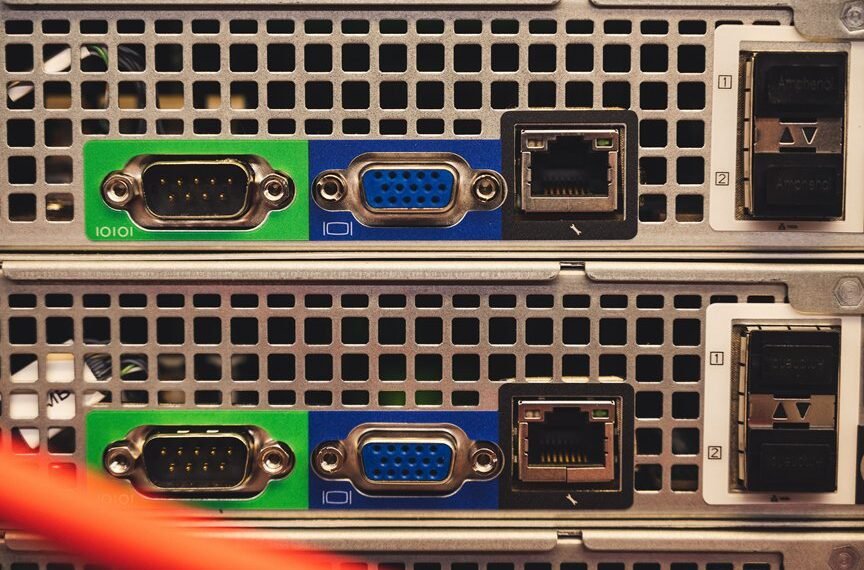
Access to the 168.0.131 admin portal begins by connecting a device to the local network and navigating to http://168.0.131.1 or http://192.168.0.1. The login process grants access to status and configuration options. From there, the guide outlines steps to change default credentials, secure Wi-Fi, and integrate firmware hygiene practices. Each action contributes to a baseline of security and stability, but gaps remain. Consider what further hardening is available to protect the network against evolving threats.
How to Access the 168.0.131 Admin Portal
To access the 168.0.131 admin portal, users should connect a device to the router’s local network and navigate to http://168.0.131.1 or http://192.168.0.1 using a web browser.
The procedure supports accessing admin features through a secure session, with precise URLs and standardized prompts.
The router portal presents authentication, status, and configuration options for authorized users.
Change Default Credentials for Better Security
Changing default credentials is a critical first step in securing the router. Administrators should access the admin interface, disable default accounts, and replace all credentials with unique, strong values. Emphasize password hardening by using long, complex phrases and multifactor options where available. Regular security audit checks ensure credential integrity and detect unauthorized attempts, maintaining robust device resilience.
Set Up Secure Wi-Fi and Firmware Hygiene
Securing wireless and device software begins with configuring encryption, network isolation, and automated update practices. The procedure mandates strong WPA3 or802.11ax-appropriate protocols, segmented guest networks, and robust passphrases.
Perform ongoing security auditing to detect anomalies and enforce least privilege.
Schedule firmware updates promptly, verify integrity with cryptographic checks, and maintain an inventory of devices to sustain proactive, privacy-preserving hygiene across the router ecosystem.
Tweak Core Network Settings for Stability and Privacy
Tuning core network parameters can significantly improve stability and privacy by aligning routing behavior, DHCP operations, and firewall rules with the device’s networking goals.
The guide recommends precise adjustments to MTU, DNS, and QoS policies, ensuring predictable paths and reduced leakage.
Privacy improvements rely on consistent address distribution, while network resilience depends on redundant routes, failover timers, and monitored anomaly detection.
Frequently Asked Questions
How to Backup Router Settings Before Updates?
A methodical approach recommends creating a full backup of the router configuration prior to a firmware update, ensuring a restore point exists. Then perform the upgrade, followed by router security hardening and verification of all critical settings.
What Parental Controls Are Available and How to Enable Them?
Parental controls include content filtering and time-based access restrictions; Access restrictions enforce device or user-specific policies. To enable, navigate to the router’s parental controls section, configure profiles, apply to desired devices, save settings, and reboot if required.
Can I Bridge the 168.0.131 With Another Router?
Yes, it can be configured in bridge mode for WAN bridging. The device passes public IPs to the secondary router, disables NAT, and requires careful WAN settings and DHCP passthrough to maintain transparent routing and network freedom.
How to Recover Forgotten Admin Password Securely?
To recover a forgotten admin password securely, perform a password reset via the router’s secure recovery settings, then restore firmware backup if needed. Reconfigure parental controls, bridge networking, and verify ISP compatibility after secure recovery settings are applied.
Are There Known Compatibility Issues With Certain ISPS?
There are potential compatibility issues with certain ISPs; ISPs compatibility varies by region and infrastructure. The device may require specific modem configurations or firmware updates to mitigate compatibility issues, and users should verify supported protocols, upload speeds, and VLAN settings.
Conclusion
In sum, the 168.0.131 guide dutifully enumerates knobs, switches, and passwords as if firmware could dream. The satire lurks in the rigidity: meticulous steps to secure a gateway while bypassable human error remains the real threat. A detached observer notes that, though MFA and WPA3 are championed, the system still hinges on disciplined administration, timely updates, and an inventory of its own quirks. Precision, not bravado, secures the network’s sanity.