168.178.60 router login and settingsGuide provides a concise framework for identifying a gateway’s role, accessing the admin interface, and applying foundational security practices. It outlines common login steps, typical pitfalls, and essential tweaks such as firmware checks, Wi‑Fi hardening, and QoS basics. The guide also covers troubleshooting steps and when to perform a reset. It leaves a practical path forward, focusing on stable configuration and reliable maintenance—a point to consider before taking the next actionable step.
What Is 168.178.60 and Why You Should Care
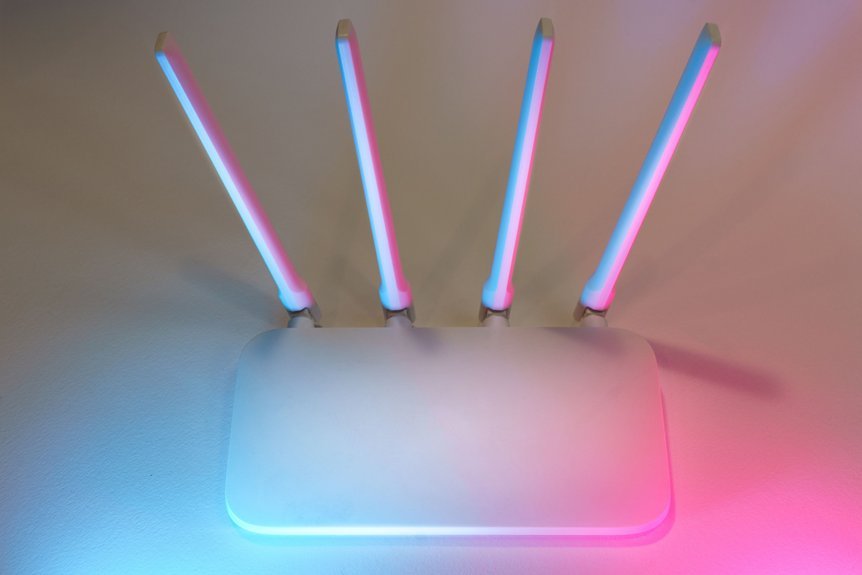
168.178.60 is the private IP address commonly used as a gateway default on local networks, typically assigned to a router or network device to manage internal traffic and provide access to external networks.
The designation correlates with image quality, color theory, data privacy, and wireless standards, guiding configuration choices, security considerations, and interoperability while preserving freedom to customize network topology, performance, and governance.
Accessing the Router: Login Steps and Common Pitfalls
Access to the router’s administration interface is the next step after identifying the device’s role in local networking. Users follow official prompts to enter the default IP, credentials, and login. Pitfalls include weak login security, misconfigured WAN settings, and overlooked firmware updates.
Networking basics guide session setup; enable parental controls cautiously to align with privacy and device control requirements.
Essential Security and Network Optimization Tweaks
Essential security and network optimization tweaks focus on hardening the router’s defenses while maximizing throughput and reliability. The approach emphasizes secure wireless configuration, firmware integrity checks, and minimal exposed services. Implement securing wifi with strong, unique passwords and updated protocols. Optimize bandwidth by enabling QoS, reducing interference, and scheduling updates to preserve stable, predictable performance for freedom-loving networks.
Troubleshooting Quick Fixes and When to Reset the Router
When should a quick fix be attempted and what signs indicate a reset is appropriate?
The article outlines immediate, low-risk measures: verify cables, reboot the router, clear cache, and test connectivity.
If issues persist, document patterns and apply a reset timing strategy.
Use controlled resets selectively to preserve configuration; avoid repeated restores.
Proceed with informed, deliberate troubleshooting.
Frequently Asked Questions
Can I Change the Router’s Default IP Address?
Yes, it is possible to change IP address. The procedure involves accessing the router’s admin interface, selecting LAN settings, and updating the gateway IP. Before altering values, backup settings to prevent loss, then verify connectivity post-change.
How Do I Back up and Restore Router Settings?
Backup restore of router settings is performed by exporting a configuration file from the admin interface, then importing it later. The process preserves parameters, firmware-related options, and security keys; preserve integrity, verify backups, and document change timestamps.
Which Ports Should I Forward for Gaming?
The ports to forward for gaming depend on the game and platform; identify specific gaming ports required by the title. The methodical approach targets opening gaming ports while preserving security, listing exact port numbers and TCP/UDP designations.
Is There a Guest Network Feature and Limits?
Yes, the device supports a guest network with configurable limits; parental controls can restrict access times, sites, and devices. The guest network operates independently, offering isolation, bandwidth caps, and scheduled availability for users who value freedom and privacy.
How Often Should I Update Firmware and How?
Firmware updates should occur when vendors release security-linked builds or critical fixes, prioritized by risk exposure and device role. How firmware updates are implemented: enable automatic updates, verify signatures, apply during maintenance windows, and follow Router security best practices.
Conclusion
In sum, the 168.178.60 router guide functions as a precise blueprint for digital resilience. By logging in securely, updating firmware, and tightening Wi‑Fi and QoS, the network becomes a quiet, well‑engineered harbor. When issues arise, methodical checks and documented steps illuminate the path to restoration. This procedural rigor transforms a routine login into a dependable safeguard, where each configuration choice acts like a carefully placed cog in a robust, clockwork network system.