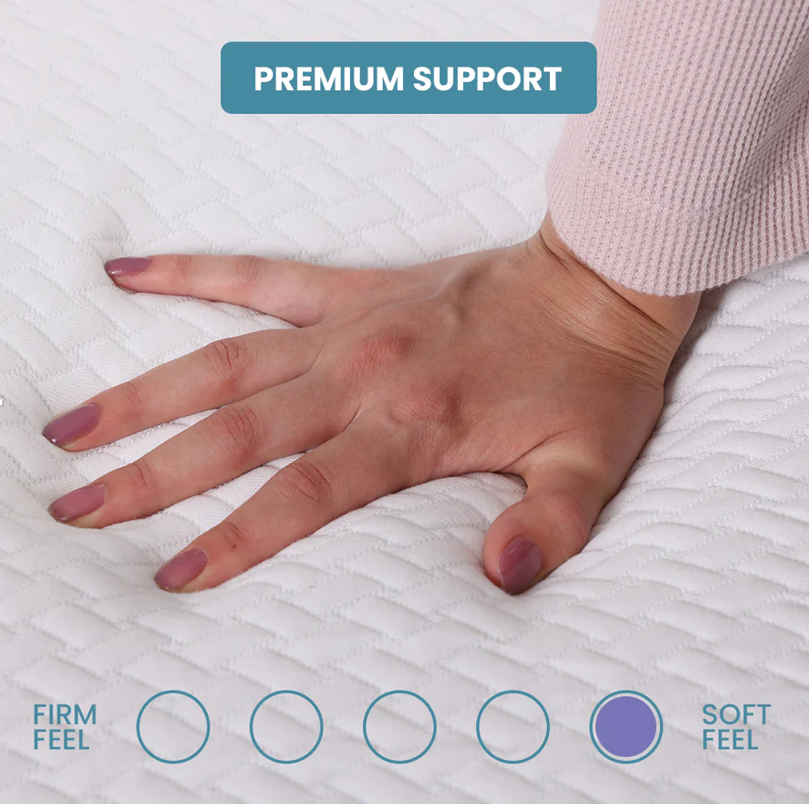
Selecting a mattress topper requires more than just picking a soft layer for your bed. Chronic pain often stems from poor spinal alignment that traditional beds fail to correct over time. You need a solution that balances surface pressure relief with deep structural support to ensure your muscles truly relax during the night.
Living with persistent physical discomfort makes every decision regarding your sleep environment critical for your long-term health. Finding a quality mattress topper for back pain helps your body recover just as proper medical advice guides your healing journey. Neglecting your posture leads to increased inflammation and wasted hours of restless tossing that ruins your daily productivity.
Reclaim Your Nightly Spinal Alignment
The Role of Zonal Support: Most bodies require varied levels of firmness across different areas to maintain a neutral spine position. A topper featuring specific zones ensures that your heavier hips do not sink too deep while your shoulders receive gentle cushioning. This targeted approach prevents the awkward twisting of the lower back that often triggers morning stiffness.
Density Versus Feel: High-density foam layers provide the necessary resistance to keep your skeleton properly aligned throughout the night. If a layer is too thin or soft, you will simply bottom out against the uncomfortable mattress underneath. Choosing a high-resilience material creates a buffer that absorbs your body weight without losing its shape or supportive qualities.
Pressure Point Reduction: Chronic pain usually intensifies when hard surfaces push against sensitive joints and bony protrusions like the pelvis. Quality toppers redistribute your weight across a wider surface area to minimize these localized stress points. This improved distribution allows blood to flow more freely, which is essential for the natural healing of damaged muscle tissues.
Engineering the Perfect Sleep Surface
Open Cell Breathability: Heat retention in bed can lead to inflammation and increased sensitivity to existing back injuries or chronic conditions. Using materials with an open-cell structure or heat dissipation properties ensures that you stay cool while your body rests. A cooler core temperature is linked to deeper sleep cycles where the most significant physical recovery occurs.
Motion Isolation Benefits: If you share a bed, every movement from a partner can send ripples through the mattress that jolt your spine. A thick topper acts as a shock absorber that dampens these vibrations before they reach your sensitive lower back area. This stability is vital for staying in a healing state of rest without constant physical interruptions.
Hygiene and Longevity: Protecting your sleep surface from dust mites and allergens is a hidden factor in managing your overall physical health. Many modern toppers come with treated covers that prevent the buildup of microscopic triggers that can cause nighttime restlessness. A clean environment ensures that your respiratory system stays clear, allowing for steady, restorative oxygen intake.
Material Selection for Orthopaedic Success
Resilient Latex Properties: Natural and synthetic latex options offer a unique bounce that prevents that dreaded feeling of being stuck in a hole. This material pushes back against your weight, making it much easier to change positions without straining your core muscles. It is an excellent choice if you prefer a firmer surface that maintains its integrity for years.
Memory Foam Contouring: Viscoelastic layers are famous for their ability to mould precisely to the unique curves of your hips and waist. This custom fit fills the gap in the small of your back, providing a sense of weightlessness that relieves tension. You might find this material particularly helpful if your pain is sharp and requires a very soft touch.
Technical Specifications for Support:
- Thickness levels of two to three inches provide the best balance for correcting an aging mattress.
- Anti-skid base designs ensure the layer stays perfectly centred even if you move frequently during sleep.
- Elastic corner straps are necessary to prevent the topper from sliding and causing spinal misalignment.
- Hypoallergenic treatments protect the foam from degrading due to moisture or bacterial growth over several seasons.
See also: Energy Efficiency and Cost Savings With Modern Submersible Pumps
Mastering Your Recovery Environment
Customising Firmness Levels: Your body weight plays a massive role in how a topper will perform once it is on your bed. Heavier individuals typically need a firmer, high-density layer to prevent sinking through to the uncomfortable mattress base below. Lighter sleepers might benefit more from a plush surface that allows their joints to sink in just enough.
Testing Resilience and Recovery: A quality topper should return to its original shape quickly once you stand up or shift your weight. This tensile strength indicates that the material is durable enough to support your spine for the entire duration of the night. If the foam remains indented for too long, it will eventually fail to provide the lift you need.
Ascending to Peak Physical Wellness
Investing in the right sleep equipment is the most effective way to manage persistent discomfort without relying solely on temporary fixes. By adding a specialised layer to your current setup, you provide your spine with the structural integrity it deserves. You should explore professional orthopaedic toppers today to transform your existing bed into a sanctuary of healing. Better rest leads to a more active life, so do not settle for another night of poor support when relief is within your reach.